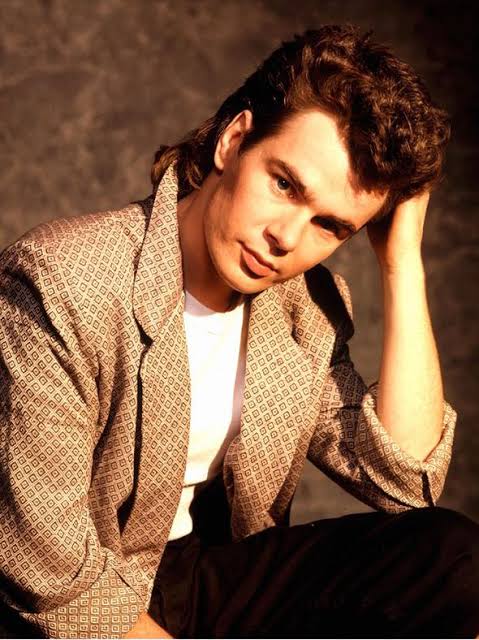
 Nick Kershaw remains one of the most distinctive voices to emerge from the vibrant 1980s British pop scene. Known for his catchy melodies, thoughtful lyrics, and unmistakable style, Kershaw carved out a lasting place in music history as both a performer and songwriter whose influence continues to resonate decades later.
Born on March 1, 1958, in Bristol, England, Kershaw grew up with a strong passion for music that would eventually define his life’s path. He spent his early years honing his craft, playing in local bands and developing a sound that blended pop, rock, and new wave elements. His breakthrough came in the early 1980s when he stepped into the spotlight as a solo artist, quickly gaining attention for his originality and stage presence.
Kershaw’s debut album, Human Racing (1984), marked the beginning of his rise to fame. The album featured hit singles such as “Wouldn’t It Be Good” and “I Won’t Let the Sun Go Down on Me,” both of which achieved international success and solidified his reputation as a rising star. His follow-up album, The Riddle (1984), further cemented his status, with the title track becoming one of his most iconic songs.
At the height of his career, Kershaw was one of the most recognizable faces in British pop. In 1985, he performed at the historic Live Aid concert, joining a lineup of legendary artists in what remains one of the most significant music events in history. His performance introduced him to an even wider global audience and underscored his role in shaping the era’s musical landscape.
Beyond his success as a performer, Kershaw is also highly respected as a songwriter. He has written songs for numerous artists, showcasing his versatility and depth as a musician. One of his most notable contributions includes writing “The One and Only” for Chesney Hawkes, a track that became a major hit in the early 1990s. This ability to craft memorable songs for both himself and others highlights his enduring talent and adaptability in an ever-changing industry.
Throughout his career, Kershaw has demonstrated a commitment to artistic growth. While the peak of his commercial success came in the 1980s, he has continued to release music, tour, and connect with fans across generations. His later works reflect a more mature and introspective approach, proving that his creativity has never waned.
Nick Kershaw’s legacy is defined not only by his chart-topping hits but also by his authenticity and dedication to his craft. He represents a generation of artists who helped shape modern pop music, leaving behind a catalog of songs that still resonate with listeners today. From his early days in Bristol to international stardom, his journey is a testament to passion, resilience, and the timeless power of music.
As fans continue to rediscover his work, Kershaw’s influence remains undeniable—an enduring reminder of an artist who brought both depth and energy to the global stage.
About the Author
